Introduction
The FIFA World Cup has always been about more than football. It is a global showcase of culture, identity, and national pride. At the 2026 tournament, hosted across the United States, Canada, and Mexico, another competition has quietly emerged alongside the action on the pitch: the battle for best-dressed team.
As players arrive in North America, national squads are turning airports, hotels, and training facilities into fashion runways. From custom tailoring and luxury accessories to outfits inspired by local traditions, teams are using style as a powerful form of representation. Fashion has become an extension of national identity, allowing players to communicate who they are and where they come from before a ball is even kicked.
In many ways, World Cup 2026 is proving that football and fashion have never been more connected.
The Rise of Fashion in Modern Football

From Athletes to Global Style Icons
Footballers have evolved far beyond their roles as athletes. Today’s stars are influencers, brand ambassadors, and fashion trendsetters.
Players such as Kylian Mbappé, Jude Bellingham, and Virgil van Dijk regularly appear in luxury campaigns and fashion editorials. Their off-field style attracts nearly as much attention as their performances on the pitch.
The World Cup provides the perfect global stage for this evolution, placing players under an international spotlight where every arrival outfit becomes a statement.
Why Arrival Fashion Matters

Arrival outfits have become the football equivalent of the NBA’s famous tunnel walks.
These carefully selected looks help teams:
- Express national culture
- Build a recognizable team identity
- Showcase partnerships with fashion brands
- Generate media attention
- Connect with younger audiences interested in style
As a result, many federations now work closely with luxury houses, tailoring companies, and local designers to create coordinated looks for major tournaments.
DR Congo: The Tournament’s Early Fashion Leaders

Animal Prints with Cultural Meaning
Few teams have generated as much buzz as the Democratic Republic of Congo.
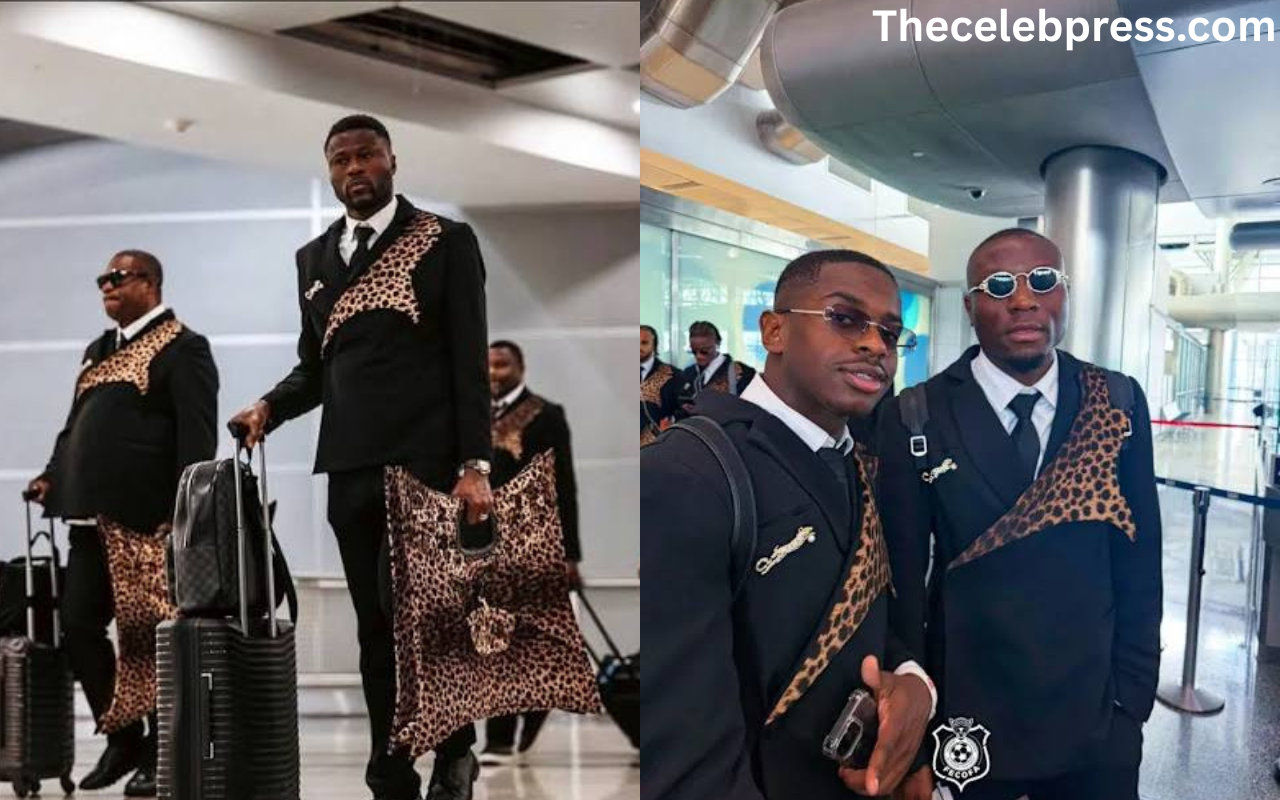
Making their first World Cup appearance in more than five decades, the squad arrived wearing custom black suits accented with animal-print sashes and cheetah-inspired brooches. The look celebrated Congolese heritage while creating one of the tournament’s most memorable fashion moments.

Rather than simply choosing luxury labels, the team embraced symbolism. The animal-print details reflected regional wildlife and cultural identity, transforming a formal suit into a statement of national pride.
France Brings Luxury to the World Stage
Birkin Bags and Designer Accessories
France arrived with the confidence expected from one of football’s elite nations.
Players were spotted carrying accessories from luxury houses including Hermès, Chanel, and Louis Vuitton. Designer bags, premium luggage, and sophisticated tailoring reinforced France’s longstanding association with luxury fashion.
For a country widely regarded as a global fashion capital, the message was clear: French style remains as influential as French football.
The appearance of rare designer items, including highly sought-after Birkin bags, sparked conversations across social media and fashion publications alike.
Japan’s Blend of Tradition and Elegance

The Power of the Three-Piece Suit
Japan took a more classic approach.
The squad arrived wearing elegant navy three-piece suits crafted by luxury menswear brand Dunhill. The polished appearance reflected Japan’s reputation for precision, professionalism, and attention to detail.
Adding a memorable twist, players later embraced cowboy hats gifted during their time in Mexico, creating a unique blend of Japanese refinement and host-nation hospitality.

Spain, Senegal and Côte d’Ivoire Showcase Local Influences
Spain’s Luxury Partnership
Spain debuted a new collaboration with Spanish luxury brand Loewe, arriving in sharp tailored outfits accompanied by premium leather accessories. The partnership highlights the growing relationship between football federations and high-fashion houses.

Senegal’s Homegrown Fashion
Senegal chose a different route by partnering with Dakar-based label Xakeb.
The team’s gray-and-green ensembles showcased local design talent while emphasizing authenticity and national pride. Rather than relying solely on global luxury brands, Senegal demonstrated the value of promoting domestic creativity on football’s biggest stage.
Côte d’Ivoire’s Cultural Inspiration
Côte d’Ivoire turned heads with tie-dye jackets inspired by traditional Dida cloth patterns. The vibrant designs blended modern tailoring with cultural heritage, creating one of the tournament’s most distinctive looks.
The Growing Connection Between Fashion and Football

A Billion-Dollar Opportunity
The relationship between football and fashion continues to deepen.
Major brands are investing heavily in World Cup-related collaborations, with companies such as Nike, Adidas, Jacquemus, Corteiz, and other labels releasing collections inspired by national teams and football culture.
This trend reflects a broader shift:
- Football has become a fashion platform.
- Players are viewed as style influencers.
- National teams increasingly function as lifestyle brands.
- Fans are purchasing fashion products linked to football culture.
The result is a World Cup experience that extends well beyond the stadium.
Why These Fashion Choices Matter

Clothing as Cultural Storytelling
The most successful World Cup looks are not necessarily the most expensive.
What resonates with audiences is authenticity.
Whether it is DR Congo’s animal-print symbolism, Senegal’s support of local designers, or Japan’s immaculate tailoring, each outfit tells a story about national values and cultural heritage.
In a tournament featuring 48 nations and billions of viewers, fashion has become another language through which countries communicate their identity to the world.
Key Takeaways
- World Cup 2026 has become a major showcase for international fashion.
- National teams are using clothing to express culture and identity.
- DR Congo’s animal-print suits have emerged as one of the tournament’s standout looks.
- France embraced luxury fashion with designer accessories and high-end luggage.
- Japan impressed with elegant three-piece suits and refined styling.
- Senegal and Côte d’Ivoire highlighted local craftsmanship and cultural traditions.
- Fashion partnerships between football teams and luxury brands are growing rapidly.
- Modern footballers are increasingly viewed as global style icons.
Frequently Asked Questions (FAQs)
Why are World Cup teams paying more attention to fashion?
Fashion helps teams express national identity, build their brand, attract sponsors, and connect with global audiences beyond football.
Which team had the most talked-about arrival outfit?
DR Congo generated significant attention with custom suits featuring animal-print details and cultural symbolism.
What luxury brands were associated with France’s squad?
Players were seen carrying items from Hermès, Chanel, and Louis Vuitton.
Why did Japan’s outfits receive praise?
Their coordinated navy three-piece suits reflected elegance, discipline, and sophisticated tailoring.
Are football and fashion becoming more connected?
Yes. Fashion brands increasingly collaborate with clubs, federations, and players, creating collections tied to football culture.
What role do local designers play in these outfits?
Many nations use local designers to showcase domestic creativity and cultural heritage on a global stage.
Do arrival outfits affect team performance?
No direct impact exists on performance, but coordinated fashion can strengthen team identity and generate positive attention.
Why are luxury brands interested in football?
Football offers access to a massive global audience, making it an attractive platform for marketing and cultural relevance.
Conclusion
World Cup 2026 is proving that football’s biggest stage is no longer limited to what happens between the touchlines. As teams arrive dressed in everything from animal-print tailoring and cultural textiles to luxury handbags and three-piece suits, fashion has become an important part of how nations present themselves to the world.
These outfits are more than stylish photo opportunities. They are expressions of heritage, creativity, and national pride. Whether through luxury craftsmanship, local design traditions, or symbolic details, teams are using fashion to tell stories that resonate far beyond the tournament itself.
As the competition unfolds, the race for football’s ultimate prize will continue. But off the field, another contest is already underway—and the world is watching. 🌍⚽👔